
Starting a Small Vegetable Patch in Your Garden

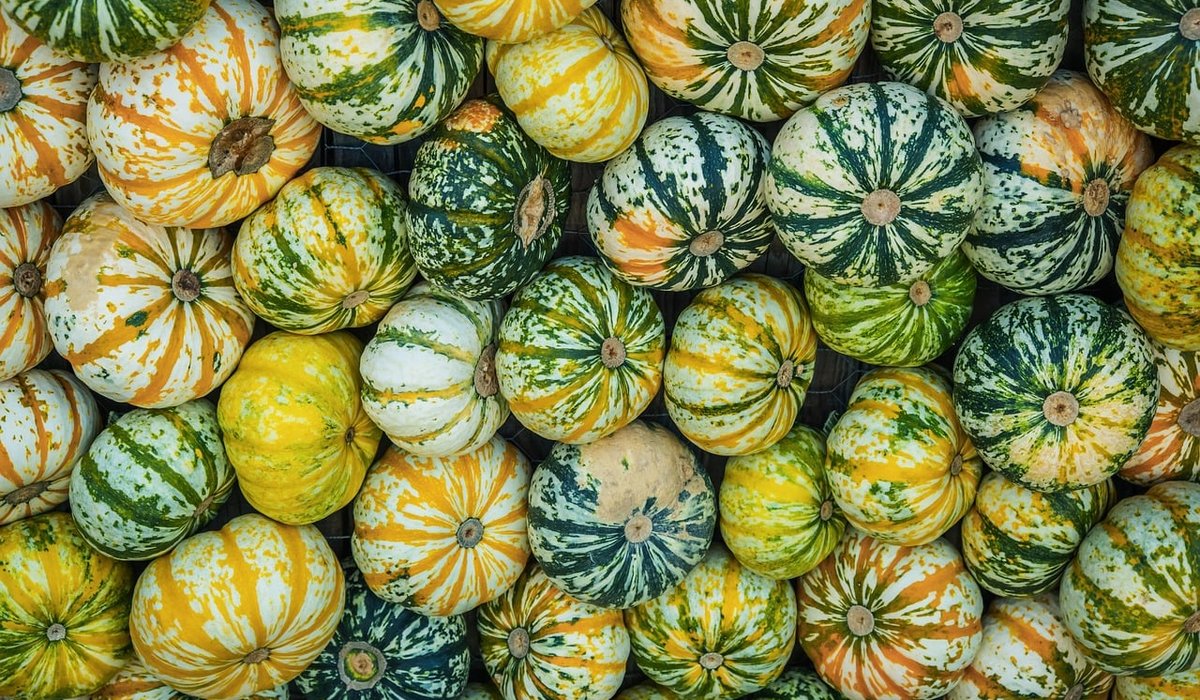
Growing even a small amount of your own food is one of the most rewarding ways to live more sustainably. You don’t need an allotment or a large garden—a sunny corner, a few pots, or a modest raised bed can produce fresh salads, herbs and vegetables for months. The secret is to start small, work with the British seasons, and improve your soil a little each year. Here’s how to begin.
Find a Sunny, Sheltered Spot
Most vegetables need at least six to eight hours of direct sunlight a day. In the UK, a south-facing bed is ideal, though east or west-facing spots can work for leafy crops and herbs. Watch your garden over a sunny day before you commit: note where shadows fall from fences, sheds and trees. Avoid the base of overhanging trees, where roots steal moisture and nutrients.
Shelter matters as much as sun. Cold winds can check growth and damage tender plants. A hedge, fence or even a row of lavender can filter wind without casting deep shade. Keep your patch close to a water source—a rainwater butt is perfect—so watering doesn’t become a chore. If your plot is small, grow in containers or raised beds on a patio; they warm up faster in spring and are easier to manage.
Improve Your Soil Without Digging
British soils range from heavy clay to light sand, chalk or silt. Whatever you have, the answer is the same: add organic matter. Spread a 5–10cm layer of peat-free compost or well-rotted manure over the surface each autumn or spring. Worms and soil life will pull it down, improving structure, drainage and fertility. This no-dig approach protects the soil food web and saves your back.
If your soil is sticky clay, add compost and a little horticultural grit to open it up. If it’s sandy and drains too fast, compost acts like a sponge. Aim for a crumbly, dark texture that smells sweet. Make beds no wider than 1.2 metres so you can reach the middle without stepping on the soil—compaction is a quiet killer of good growth. Use thick mulch, such as bark or straw, to lock in moisture and suppress weeds.
Start with Easy, Reliable Crops
First-time growers should choose crops that give quick, confidence-building harvests. These are forgiving, productive and well suited to the UK climate:
- Salad leaves – sow little and often from March to September for cut-and-come-again leaves.
- Radishes – ready in as little as four weeks; sow every fortnight for a steady supply.
- Spring onions – sow in drills or modules; they cope with light shade.
- Runner beans – sow in late spring; they crop heavily and look beautiful on a wigwam.
- Courgettes – one or two plants are plenty; harvest young and often.
- Chard – hardy, colourful and productive for months, even into winter.
- Herbs – mint, chives, parsley and thyme are expensive to buy but easy to grow.
If you’re short on time, buy young plug plants from a garden centre or market stall. Avoid brassicas such as cabbages and sprouts in your first year unless you net them—pigeons and cabbage white butterflies can strip them overnight.
Sow, Plant and Tend Through the Seasons
In spring, warm the soil with a cloche or black plastic before sowing. Direct-sow hardy crops like carrots, beetroot and spinach once the soil reaches about 7°C. Start tender crops such as tomatoes, courgettes and sweetcorn indoors in pots, then plant out after the last frost—usually late May in southern England, early June further north.
Summer is about water and weeds. Water deeply once or twice a week rather than little and often; this encourages roots to go down. Use rainwater from a butt, and water in the evening to reduce evaporation. Mulch around plants with grass clippings or compost. Watch for slugs after rain—go out with a torch at dusk and pick them off, or set beer traps. Net butterflies and birds where needed.
Autumn is for planting garlic and overwintering broad beans, and for clearing spent crops. Sow green manure such as field beans or phacelia on empty beds to protect soil over winter. In winter, plan next year’s rotation, clean pots and tools, and order seeds. Keep a simple notebook of what worked and what didn’t.
Grow Sustainably, Waste Less, Harvest More
Sustainable growing is about closing loops. Make your own compost from kitchen scraps and garden waste—no cooked food or diseased plants. Choose peat-free compost to protect precious peat bogs. Save seeds from your best beans, tomatoes or lettuce. Rotate crops between plant families to confuse pests and prevent disease. Plant flowers like calendula, borage and nasturtium to feed pollinators and distract pests.
Harvest only what you need, and preserve gluts by freezing, drying or sharing with neighbours. Every bag of homegrown salad leaves replaces plastic-wrapped supermarket produce and reduces food miles. Even a few pots of herbs on a windowsill make a difference. The more you grow, the more you notice the seasons, the weather and the life in your soil.
Enjoy the Process, Not Just the Produce
Your first vegetable patch doesn’t have to be perfect. Some crops will fail; slugs will feast; a heatwave may bolt your lettuce. That’s normal. Start with one bed or a handful of containers, and expand only when you’re ready. The real reward is the daily excuse to step outside, get your hands dirty and eat something you grew yourself. Whether you harvest a single radish or a basket of beans, you’re part of a quieter, greener way of living—one season at a time.

Joeby Ragpa
This template is so awesome. I didn’t expect so many features inside. E-commerce pages are very useful, you can launch your online store in few seconds. I will rate 5 stars.
ReplyAlexander Samokhin
This template is so awesome. I didn’t expect so many features inside. E-commerce pages are very useful, you can launch your online store in few seconds. I will rate 5 stars.
ReplyChris Root
This template is so awesome. I didn’t expect so many features inside. E-commerce pages are very useful, you can launch your online store in few seconds. I will rate 5 stars.
Reply