
A Beginner's Guide to Composting Food Scraps

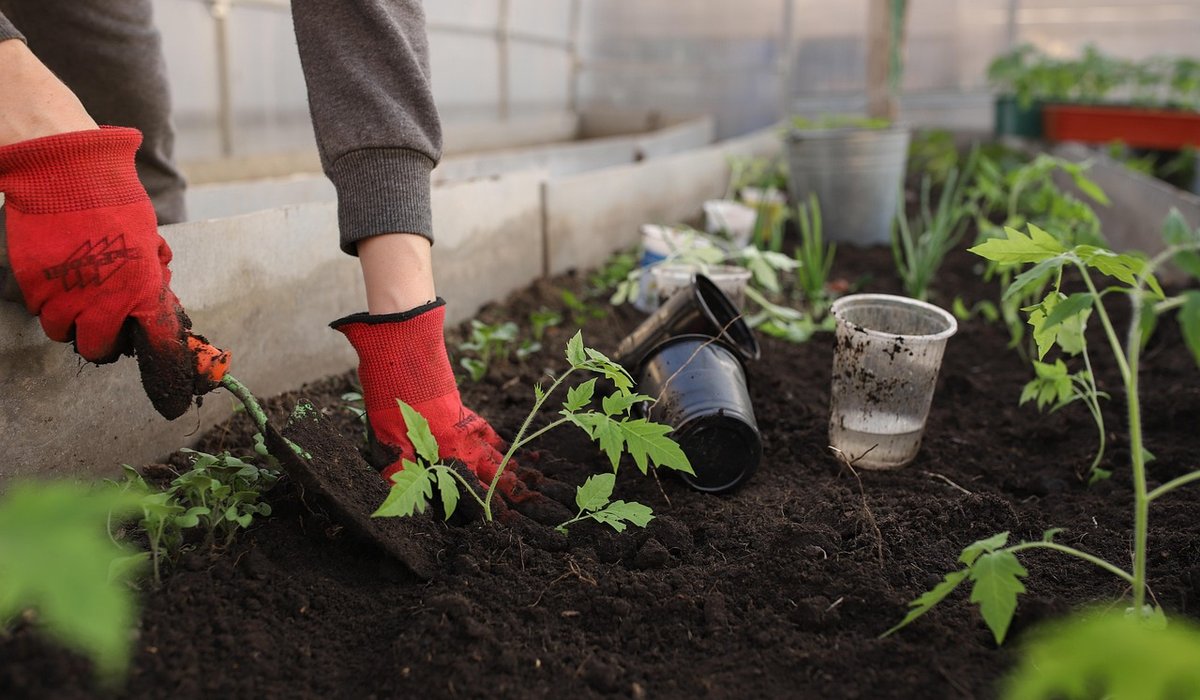
There is a quiet satisfaction in turning a bowl of potato peelings and apple cores into something that feeds your soil. Composting at home is one of the simplest sustainable habits you can adopt, and it works just as well in a small UK garden or on a balcony as it does on an allotment. The key is getting the balance right between greens, browns, air and moisture.
Why Compost Your Food Scraps?
UK households throw away millions of tonnes of food waste every year, and most of it ends up in landfill. There, it decomposes without oxygen and releases methane, a potent greenhouse gas. When you compost at home, you avoid that entirely and create a free, nutrient-rich soil improver for your garden. It also saves you the hassle of binning smelly scraps and buying peat-based compost. Seasonal British fruit and veg—from spring rhubarb trimmings to autumn windfall apples—are perfect candidates. So are tea bags (check they are plastic-free), coffee grounds, eggshells and dead houseplant leaves.
What to Add (and What to Leave Out)
Good compost starts with the right ingredients. For a beginner, stick to raw fruit and vegetable scraps, plus a few other garden-friendly items. Think of your bin as a living system, not a rubbish dump.
- Greens: fruit and vegetable peelings, salad leaves, tea leaves, coffee grounds, grass cuttings, soft plant stems, and annual weeds before they set seed.
- Browns: scrunched cardboard, torn newspaper, egg boxes, toilet roll tubes, autumn leaves, straw, wood chips, and shredded plain paper.
- Leave out: meat, fish, dairy, cooked food, oily sauces, dog or cat faeces, disposable nappies, glossy magazines, and diseased plants. These attract rats, slow down the process, or introduce unwanted chemicals.
Getting the Green and Brown Balance Right
The single most common mistake is adding too many greens and not enough browns. Greens are wet and nitrogen-rich; browns are dry and carbon-rich. Aim for roughly two to three parts browns to one part greens by volume. In practice, every time you empty a caddy of vegetable peelings, add a few handfuls of scrunched cardboard or shredded paper. If you are unsure, err on the side of more browns—they keep the heap aerated and prevent it turning into a slimy mess.
Chop or tear larger items into smaller pieces. A whole cabbage leaf will take weeks to break down; shredded, it will vanish in days. Keep a small lidded caddy in the kitchen for daily scraps, and empty it into your outdoor bin or heap every day or two. In summer, when British gardens produce courgettes, runner beans and tomatoes faster than you can eat them, you may need to add extra browns to keep up.
Air, Moisture and a Little Patience
Composting is an aerobic process, which means the microorganisms need oxygen. Turn your heap or bin every week or two with a fork or compost aerator. This also mixes greens and browns together. Moisture matters too: the contents should feel like a wrung-out sponge. If it is dripping wet, add more browns and turn. If it is bone dry, add water or fresh greens and turn again.
UK weather can be a challenge. Heavy rain will waterlog an open heap, so keep a lid or old carpet on top. Cold winters slow everything down—this is normal. You can insulate the bin with bubble wrap or move it to a sunny spot. A wormery or a bokashi bin can keep things going indoors during the coldest months. Patience is part of the deal: a well-managed bin can produce compost in three to six months in summer, but up to a year in winter.
Troubleshooting Common Composting Problems
Even experienced gardeners hit snags. Here is how to fix the usual suspects.
- Smells sour or rotten: too wet and not enough air. Add browns, turn thoroughly, and leave the lid off for a day if it is not raining.
- Dry and nothing is happening: add water, fresh greens, and turn. In hot spells, a quick sprinkle with a watering can helps.
- Fruit flies: bury food scraps in the middle of the heap and cover with browns. Keep the lid on and empty your kitchen caddy daily.
- Slow in winter: this is normal. Chop scraps smaller, insulate the bin, and accept that nature takes its time.
- Unwanted guests: if rats appear, stop adding cooked food and ensure no meat or dairy is present. Turn regularly and keep the area tidy.
When It Is Ready—and How to Use It
Mature compost is dark, crumbly, and smells earthy—like a woodland floor after rain. You should not be able to recognise any original ingredients. Sieve out any larger twigs or eggshells and return them to the next batch. Use your compost as a mulch around fruit bushes, roses and perennials, or dig it into vegetable beds. It is also excellent for making potting mixes when sieved and mixed with leaf mould and sharp sand.
Start small. One bin, one caddy, and a willingness to learn as you go. Whether you are peeling parsnips in January or podding broad beans in June, every scrap you compost is a small act of sustainable living. Your soil, your plants, and the planet will thank you.

Joeby Ragpa
This template is so awesome. I didn’t expect so many features inside. E-commerce pages are very useful, you can launch your online store in few seconds. I will rate 5 stars.
ReplyAlexander Samokhin
This template is so awesome. I didn’t expect so many features inside. E-commerce pages are very useful, you can launch your online store in few seconds. I will rate 5 stars.
ReplyChris Root
This template is so awesome. I didn’t expect so many features inside. E-commerce pages are very useful, you can launch your online store in few seconds. I will rate 5 stars.
Reply