
How to Eat Seasonally in the UK

Why Seasonal Eating Still Makes Sense in Britain
Buying food when it is at its natural peak is one of the simplest ways to eat well and tread a little lighter. Crops harvested at the right moment taste sweeter, travel shorter distances and often cost less, simply because there is plenty of them about. A British-grown tomato in August is a completely different creature from one shipped in during January — and so is the price tag.
There is a quiet rhythm to it too. Eating with the seasons reconnects the kitchen to the weather, the hedgerows and the growing year. It does not demand perfection, just a willingness to cook what is abundant right now.
The British Growing Year, Month by Month
Our mild, damp climate suits long seasons of leafy greens, roots and berries. Here is roughly what is at its best when.
- Spring (March to May): forced rhubarb until early spring, wild garlic, watercress, spinach, purple sprouting broccoli, spring greens, radishes, new potatoes and the first asparagus from late April. This is also the "hungry gap", when last year's stores are running low and little is ready yet, so lean on leeks, roots and cabbage.
- Summer (June to August): strawberries, raspberries, gooseberries, cherries, broad beans, peas, courgettes, runner beans, cucumbers, salad leaves, beetroot, samphire and, by late summer, the first tomatoes and sweetcorn.
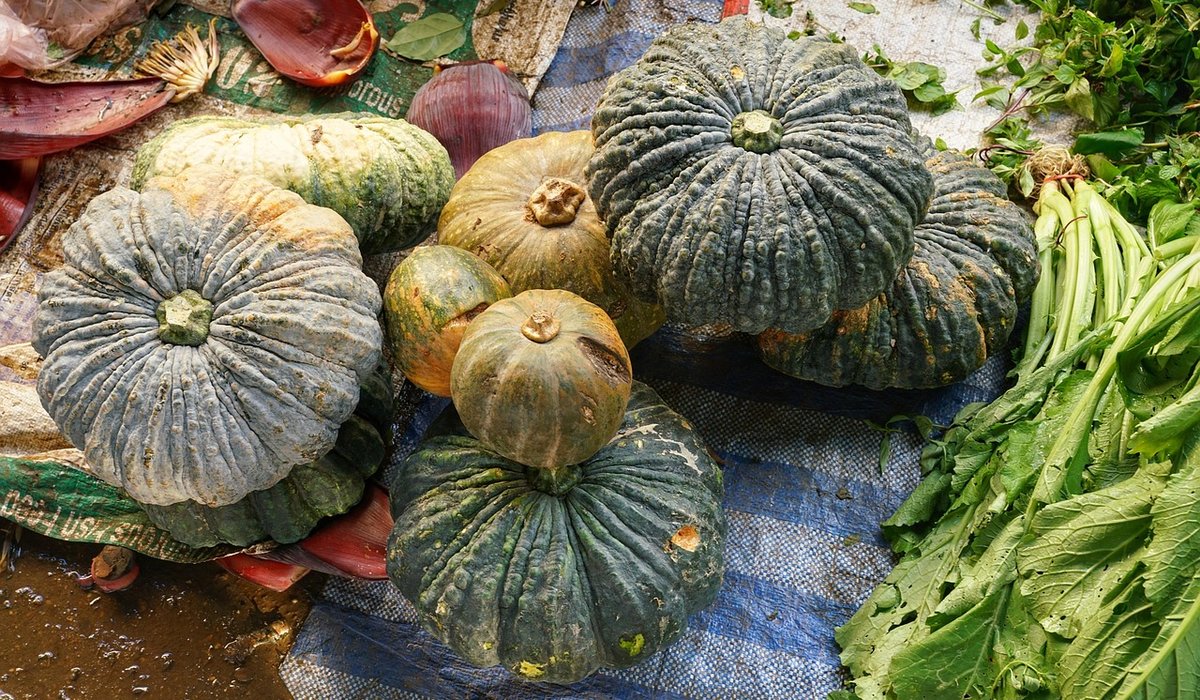
- Autumn (September to November): the great glut. Apples, pears, plums, damsons, blackberries, squash, marrows, sweetcorn, aubergines and figs, plus the start of the root harvest — carrots, parsnips, celeriac and swede.
- Winter (December to February): leeks, Brussels sprouts, kale, cabbage, cauliflower, celeriac, parsnips, swede, Jerusalem artichokes and stored apples and pears. Cold-weather greens are sweetest after a frost.
Two useful markers: game birds come into season from August, and shellfish are traditionally best in months containing the letter "r" — the warmer months are when they spawn.
How to Plan a Week Around the Harvest
Seasonal cooking works best when you shop first and plan second, rather than writing a list and hoping the market obliges. Pick one hero vegetable or fruit for the week, then build three or four meals around it.
- Choose a "hero" ingredient. If courgettes are cheap and plentiful, plan a gratin, a soup, a pasta and a jar of pickle from the same bag.
- Match it with store-cupboard staples. Onions, garlic, dried pasta, rice, tinned pulses and good oil turn any seasonal glut into dinner without extra shopping.
- Cook once, eat twice. A big pot of root vegetable stew or a tray of roasted squash gives you tomorrow's lunch and a base for a frittata.
- Keep a flexible slot. Leave one evening free each week for whatever looks best on the day.
- Shop little and often. Loose produce from a market stall or farm shop lets you buy exactly what you need, cutting both cost and waste.
Making the Most of a Glut
Seasonal abundance is generous and brief, so have a few preserving habits ready. You genuinely do not need special equipment.
- Freeze smart. Berries freeze well on a tray before bagging so they stay separate. Blanch beans, peas and broccoli for two minutes, cool, then freeze. Cooked apple and pear purée freezes beautifully in tubs.
- Pickle and ferment. A simple brine of vinegar, water, sugar and salt transforms gluts of shallots, beetroot, cucumbers and chillies into jars that keep for months.
- Make chutney from the odds and ends. Windfall apples, green tomatoes and slightly soft plums are ideal.
- Dry herbs. Tie bunches of thyme, rosemary, sage or mint and hang them somewhere warm and airy.
- Use the whole vegetable. Stalks, leaves and peelings make excellent stock, pesto or soup. Carrot tops, beetroot leaves and cauliflower leaves are all perfectly good eating.
Shopping and Storing Well
How you store food matters as much as how you buy it. Root vegetables keep for weeks somewhere cool, dark and ventilated — a paper sack in a cupboard beats a plastic bag in the fridge. Keep potatoes away from onions, as each shortens the other's life. Store apples separately from other produce, since they release ethylene that ripens things quickly. Salad leaves last longer wrapped in a cloth or a lidded box with a sheet of kitchen paper. Tomatoes, meanwhile, taste best at room temperature, never chilled.
Labels help too. "British" on a packet tells you it was grown here, while "seasonal" is looser and can simply mean it was harvested at some point. When in doubt, buy what looks and smells best and ask the person selling it — growers are usually delighted to tell you what has just come in.
Small Changes That Add Up
Eating seasonally sits comfortably alongside a lighter way of living. You will naturally eat more plants, because that is what the fields are producing. You will waste less, because you are buying amounts you can actually use. You will spend less, because you are buying at the moment of peak supply rather than fighting the calendar.
Start with one change this week: find out what is in season near you, buy a little more of it than usual, and cook it while it is at its very best. Do that month after month and you will build a year of eating that is richer, cheaper and quietly rooted in the British landscape.

Joeby Ragpa
This template is so awesome. I didn’t expect so many features inside. E-commerce pages are very useful, you can launch your online store in few seconds. I will rate 5 stars.
ReplyAlexander Samokhin
This template is so awesome. I didn’t expect so many features inside. E-commerce pages are very useful, you can launch your online store in few seconds. I will rate 5 stars.
ReplyChris Root
This template is so awesome. I didn’t expect so many features inside. E-commerce pages are very useful, you can launch your online store in few seconds. I will rate 5 stars.
Reply