
Growing Tomatoes in a British Climate

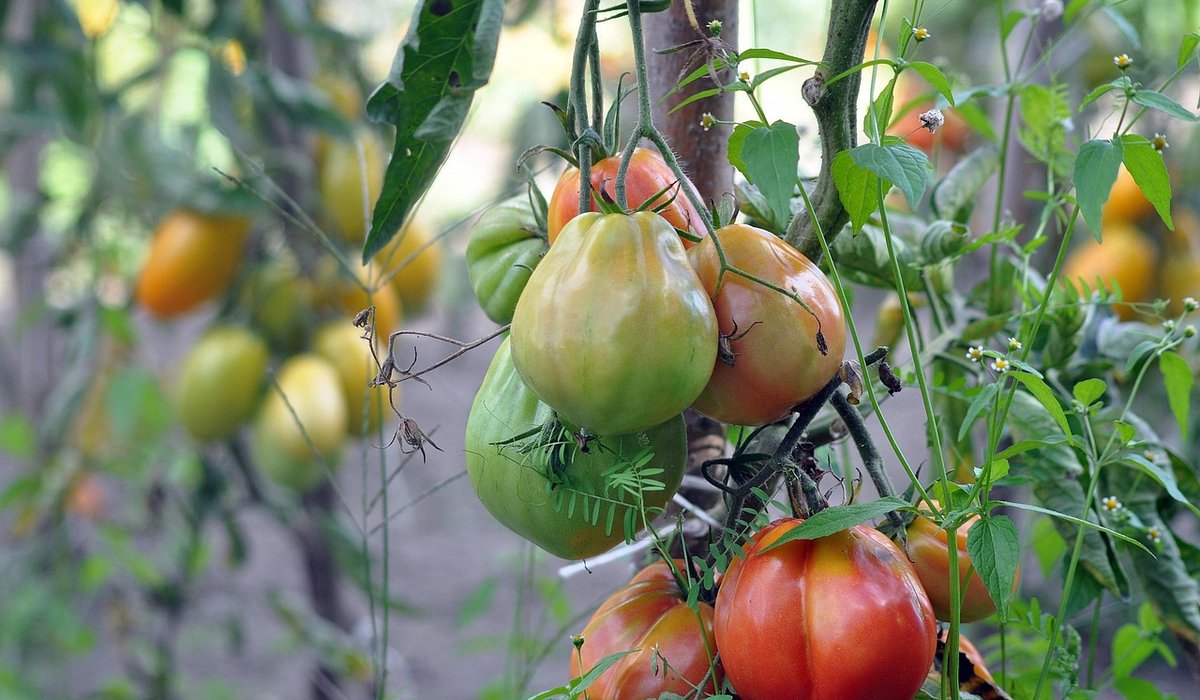
There is something deeply satisfying about picking a warm, sun-ripened tomato from your own plant. British summers can be unpredictable, but they are more than capable of producing a generous crop if you choose the right varieties and give plants a little protection. Growing your own also cuts food miles, avoids plastic punnets, and turns a sunny patio or allotment into a small act of sustainable living.
Why grow tomatoes in a British summer?
Supermarket tomatoes are often bred for shelf life and long-distance travel rather than flavour. A homegrown tomato, picked at peak ripeness, tastes entirely different: sweet, acidic and full of scent. It also connects you to the seasons. You cannot rush a tomato, and that slow wait is part of the pleasure.
From a sustainability point of view, homegrown tomatoes reduce the demand for imported crops, cut packaging waste, and make good use of small spaces. Even a few pots on a sunny windowsill or balcony can provide salads, sauces and chutneys through late summer. If you save your own seed from open-pollinated varieties, you close the loop a little further.
- Flavour: varieties chosen for taste rather than transport.
- Less waste: no plastic trays, no rejected fruit, no air-freighted imports.
- Seasonal eating: tomatoes at their natural best, in Britain, in late summer.
- Wellbeing: tending plants outdoors is gentle exercise and a genuine mood lifter.
Choose varieties that suit our climate
Our growing season is shorter and cooler than the Mediterranean, so the varieties you choose matter enormously. Look for early-maturing, blight-resistant, cherry or bush types. Cherry tomatoes ripen faster than large beefsteaks, and bush varieties need less support, making them ideal for pots and small gardens.
- Reliable outdoor choices: 'Red Alert', 'Tumbling Tom' and 'Gardener's Delight' are happy in a sheltered sunny spot.
- Blight-resistant options: 'Ferline', 'Crimson Crush' and 'Mountain Magic' give you a better chance in wet summers.
- Greenhouse or polytunnel: 'Sungold', 'Shirley' and 'Alicante' crop heavily under cover.
- Compact bush types: good for hanging baskets, windowsills and small patios.
If you garden in the north or west of the UK, choose the earliest varieties you can find and plan to grow them under cover if possible. A cool, damp August can undo months of work, so blight resistance is not a luxury; it is practical insurance.
Start seeds indoors for a head start
Sow your tomato seeds indoors between late February and early April. The earlier you sow, the more you will need a bright windowsill or a small grow light, because weak, leggy seedlings never fully recover. Use fresh seed compost in small pots or modules, and keep the compost moist but not sodden.
Tomato seeds germinate best at around 18-21°C. A propagator or a warm windowsill above a radiator works well. Germination usually takes seven to fourteen days. Once the first true leaves appear, prick seedlings out into individual pots, handling them by the leaves rather than the stem. Water from below to encourage strong roots, and pot on again as they grow.
- Light: at least six hours of direct sun, or a bright, reflective windowsill.
- Water: little and often, never waterlogged.
- Air: good ventilation prevents damping off and mould.
- Hardening off: gradually expose plants to outdoor conditions over seven to ten days.
Plant out only when the cold has passed
Tomatoes hate cold soil and cold wind. Wait until the risk of frost has passed, which is usually late May in southern England and early to mid-June further north. Harden plants off carefully before planting them into grow bags, large pots, raised beds or a greenhouse border.
Choose the sunniest, most sheltered spot you have, ideally against a south-facing wall that stores warmth. Plant deeply, burying the stem up to the first set of leaves, and water well. Support cordon varieties with a sturdy cane or string, and tie them in as they grow. If temperatures dip, protect plants with fleece, cloches or a cold frame. A little extra warmth in June can make the difference between a mediocre crop and a glut.
Summer care for healthy plants
Consistency is everything. Water deeply and regularly, aiming at the soil rather than the leaves, and feed with a potassium-rich tomato feed once the first flowers set fruit. A mulch of compost or grass clippings helps hold moisture and suppress weeds. For cordon varieties, remove the side shoots that appear between the stem and leaves, and pinch out the growing tip in late summer to redirect energy into ripening fruit.
Keep an eye out for blight in warm, wet spells. Remove affected leaves immediately, improve airflow by taking off lower leaves, and avoid overhead watering. Aphids and whitefly can be dislodged with a firm spray of water or encouraged away by planting nearby flowers that attract predators. Healthy plants, given sun and steady moisture, will reward you generously.
Ripening, harvesting and wasting less
By late summer, the first fruits should be turning from green to red, orange or yellow. Pick them when they are fully coloured and slightly soft, or bring them indoors to finish ripening on a sunny windowsill. At the end of the season, green tomatoes can be turned into chutney, roasted, or fried in slices. Nothing needs to go to waste.
Save seed from your best open-pollinated plants for next year, and compost spent vines unless they are diseased. Share any surplus with neighbours, or turn a glut into passata and freeze it in reusable containers. Growing tomatoes in a British climate asks for patience and a little protection, but it gives back far more than it takes: flavour, colour, and a genuinely sustainable harvest from your own patch.

Joeby Ragpa
This template is so awesome. I didn’t expect so many features inside. E-commerce pages are very useful, you can launch your online store in few seconds. I will rate 5 stars.
ReplyAlexander Samokhin
This template is so awesome. I didn’t expect so many features inside. E-commerce pages are very useful, you can launch your online store in few seconds. I will rate 5 stars.
ReplyChris Root
This template is so awesome. I didn’t expect so many features inside. E-commerce pages are very useful, you can launch your online store in few seconds. I will rate 5 stars.
Reply