
How to Store Fresh Vegetables to Last Longer

Why a little care at home makes a big difference
British seasonal eating and sustainable living go hand in hand. When you have spent good money on a bunch of cavolo nero from the market, or grown your own courgettes and beetroot, the last thing you want is to find them limp and slimy by Wednesday. Roughly a third of the food we buy in the UK is thrown away, and fresh vegetables are among the worst offenders. Most of that waste is not carelessness — it is simply that we store things the way supermarkets display them rather than the way plants actually like to be kept.
Get a few basics right and you can easily double the life of your produce, which means fewer trips to the shop, less packaging and a lower food bill. Here is how to keep the season's best in good condition for longer.
Learn the three golden rules
Almost every storage decision comes down to three things: temperature, moisture and the gases that plants give off as they breathe.
- Temperature: Most vegetables last longest between 0°C and 4°C. A fridge set slightly too warm is a common culprit for rapidly wilting greens.
- Moisture: Leafy things want a humid atmosphere so they do not dry out, while roots and alliums want dry, airy conditions so they do not rot.
- Ethylene: Some produce — apples, bananas, tomatoes, ripe pears — releases a gas that speeds up ripening in everything nearby. Keep these away from leafy greens, broccoli and cucumbers.
Plastic bags are not automatically the enemy. A loose, perforated bag that holds humidity can keep salad crisp for days, but a sealed one traps the moisture that causes slime. Think breathable, not airtight.
Leafy greens, salad and brassicas
Salad leaves and spinach are delicate and resent both drying out and sitting wet. Leave them unwashed until you are ready to eat, pick over any yellowing leaves, and store them in a container lined with a clean tea towel or a couple of sheets of kitchen paper. The paper absorbs excess moisture while the lid keeps humidity in. If you have bought a bagged salad, transfer it out of the original bag — it is often already damp at the base.
For heartier greens like kale, chard and spring greens, trim the stem ends and wrap the bunch loosely in a damp cloth, then place in the salad drawer. Purple sprouting broccoli and calabrese keep best with their stalks standing upright in a jar with an inch of water, loosely covered with a bag, or simply wrapped in a damp tea towel. Keep the outer leaves on a cauliflower — they are its natural packaging. Cucumbers, peppers and aubergines dislike the cold, so store them in the warmer parts of the fridge or in a cool larder if you have one.
Roots, tubers and alliums
Root vegetables are the quiet heroes of a British winter and they are forgiving, provided you keep them cool, dark and dry. Potatoes need darkness above all, otherwise they green and turn bitter, so a paper sack in a cupboard, away from onions, is ideal. Never store potatoes and onions together; each makes the other spoil faster.
- Carrots, parsnips and beetroot: remove the leafy tops, which pull moisture from the root, then keep in a paper bag or a box of slightly damp sand in a cool shed or the bottom of the fridge.
- Swede, celeriac and turnips: wrap in paper or a cloth and keep in the fridge's vegetable drawer; they will happily last a fortnight or more.
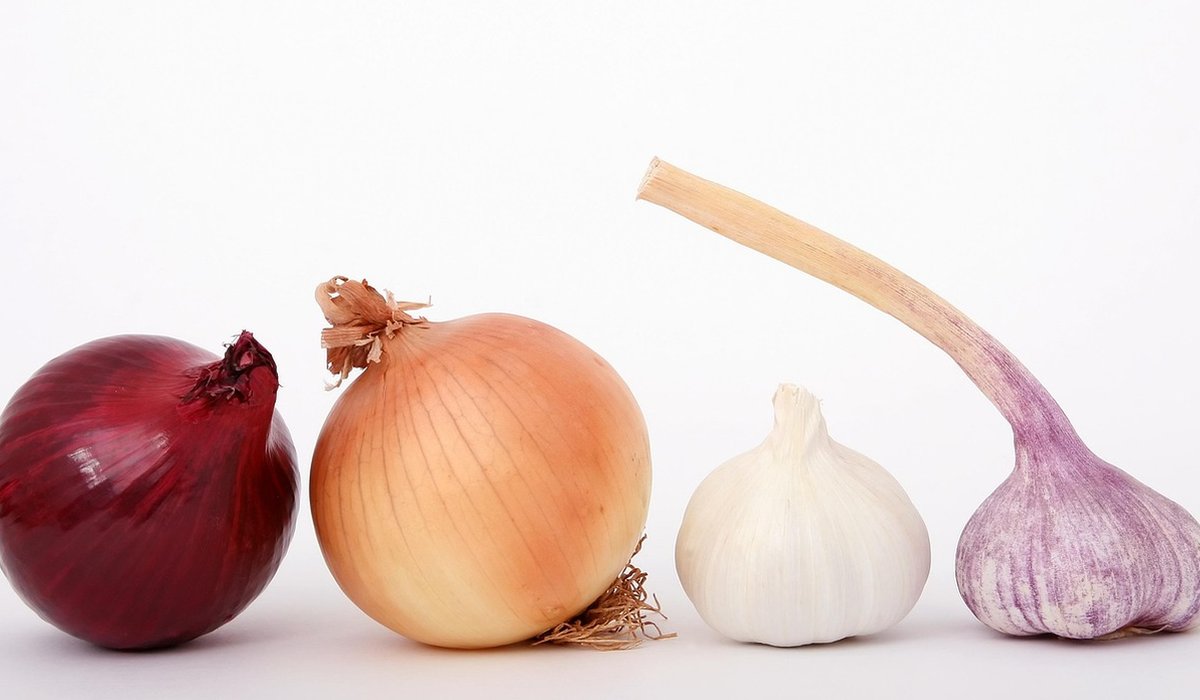
- Onions, garlic and shallots: plait them, hang them in a net or lay them in a shallow basket somewhere airy and dark. Never in the fridge, where dampness turns them soft.
- Leeks: stand them upright in a jar with a little water, or wrap in damp paper in the fridge.
Herbs, mushrooms and the awkward ones
Herbs are sold in a way that almost guarantees failure: tightly packed, often already damp. Soft herbs such as parsley, coriander, dill and mint do well with their stems in a glass of water, loosely covered with a bag, in the fridge door or on a cool windowsill. Basil is the exception — it hates the cold and will blacken, so keep it at room temperature in water, out of direct sun.
Hardy herbs like rosemary, thyme, sage and bay are woody and dry-tolerant. A paper bag in the fridge door, or a bunch hung in a cool kitchen, will see them through. You can also freeze chopped soft herbs in a little oil in an ice cube tray for stews and soups.
Mushrooms should never be sealed in plastic. A paper bag lets them breathe and stops them going soggy. Tomatoes are best kept at room temperature, stem side down, and only moved to the fridge once they are fully ripe and you cannot eat them in time.
Small habits that cut waste
Storage is only half the story; the other half is attention. Give the drawer a quick sort every few days and use up the tired specimens first in soups, stir-fries or a tray of roasted roots. Keeping a visible "eat me first" shelf in the fridge makes an enormous difference.
Learn what your produce looks like when it is merely thirsty rather than past saving. Carrots, celery and leafy greens that have gone floppy often revive completely after half an hour in a glass of cold water. Cut away the soft spots and the rest is usually perfectly good.
Buying with the seasons helps too. Locally grown vegetables in their natural season are fresher when they reach you, and fresher produce simply lasts longer. A little thought about temperature, moisture and air is one of the simplest, cheapest ways to eat well, waste less and get more from every bunch.

Joeby Ragpa
This template is so awesome. I didn’t expect so many features inside. E-commerce pages are very useful, you can launch your online store in few seconds. I will rate 5 stars.
ReplyAlexander Samokhin
This template is so awesome. I didn’t expect so many features inside. E-commerce pages are very useful, you can launch your online store in few seconds. I will rate 5 stars.
ReplyChris Root
This template is so awesome. I didn’t expect so many features inside. E-commerce pages are very useful, you can launch your online store in few seconds. I will rate 5 stars.
Reply